Software Integration & API Development
Connect the systems your business depends on through clearly designed APIs, data synchronization and integration workflows with defined ownership, validation and error handling.
PROCESS & FIT
Integration Built Around Clear Data Ownership
A reliable integration starts by defining which system owns each data set, what events should trigger exchange, how data is validated and who handles exceptions. Leaforge turns those decisions into a controlled technical integration.
- API design and development
- System-to-system data synchronization
- Third-party application integration
When Your Systems Need Better Connectivity
Disconnected systems create duplicate entry, delayed updates and reconciliation work. These are common signs that a controlled API or synchronization layer can improve the process.
Customer or order data is frequently out of sync
Manual imports and exports create delays
A portal needs back-office data
Third-party platforms need real-time or scheduled exchange
Integration failures are hard to identify
Legacy interfaces are difficult to maintain
Integration Services We Can Provide
We can connect internal applications and suitable third-party platforms using APIs, webhooks, scheduled jobs, database interfaces or controlled import/export processes based on the systems involved.
REST API Development
Third-Party API Integration
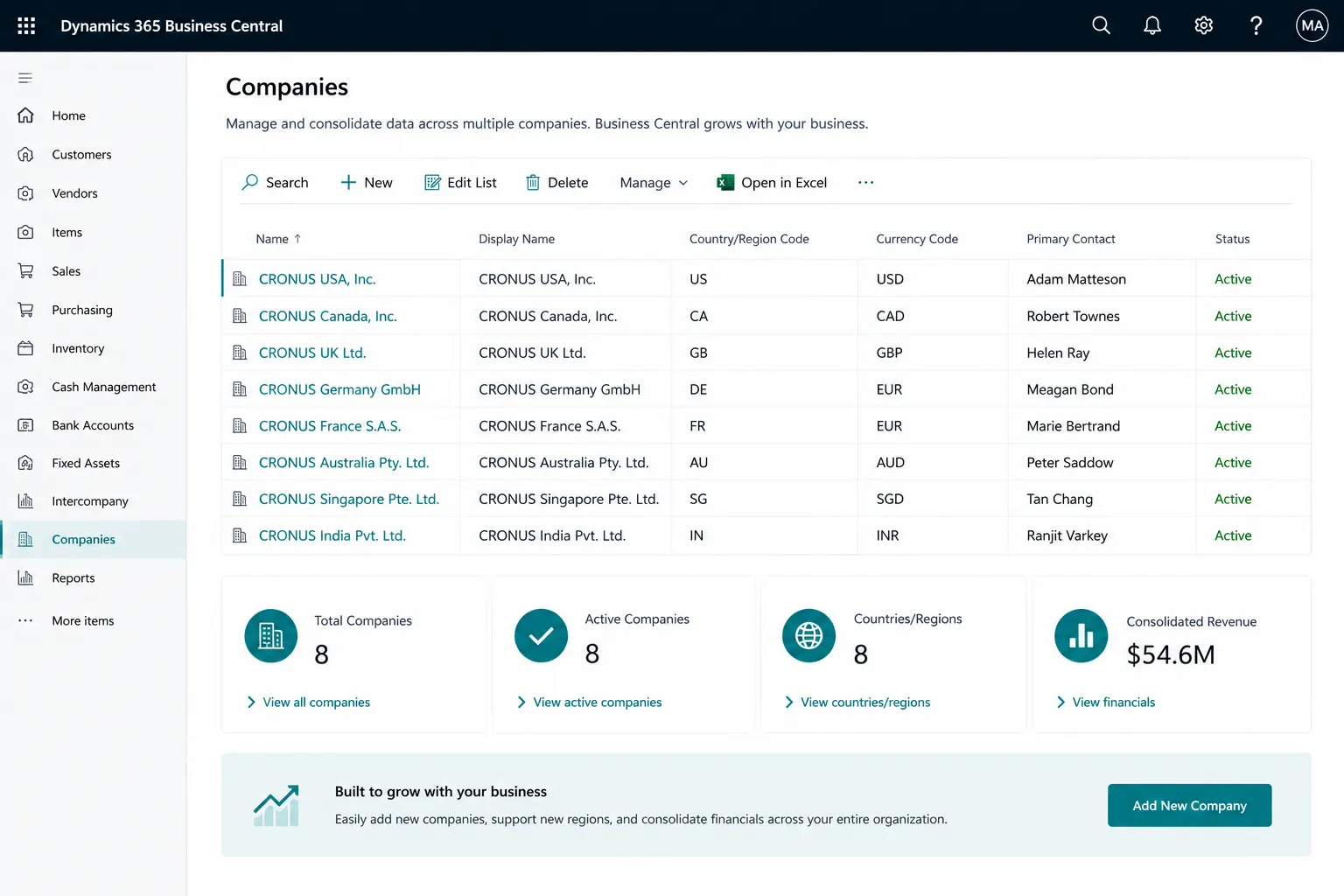
ERP & CRM Integration
Website & Portal Integration
Database Integration
Scheduled Data Synchronization
Import / Export Automation
Webhook & Event-Based Integration
Integration Monitoring & Error Handling
Integration Delivery Models
Integration can be delivered as a focused API connection, a multi-system synchronization project, a portal-to-back-office interface or a broader integration layer. The right model depends on systems, frequency, volume, security and operational ownership.
What a Well-Structured Integration Should Deliver
The goal is predictable data flow with clear ownership, validation, security, logging and exception handling so integrations can be operated and supported after launch.
Defined System Ownership
Clear Data Mapping
Validation Rules
Authentication & Security
Error Handling
Logging & Traceability
Performance Expectations
Support & Handover
When to Bring Leaforge into an Integration Project
Where We Can Help
New system connection • Portal integration • ERP/CRM synchronization • Payment or ecommerce interface • Data import/export automation • Legacy interface replacement • API layer for a custom application.
Integration Details to Agree
Before development, agree source and target systems, data ownership, fields, frequency, credentials, expected volumes, validation rules, failure handling, testing responsibility and support ownership.
Why Choose Leaforge for Software Integration
We design integrations around the business process, source-of-truth decisions, data quality, security and operational support—not simply around moving fields from one system to another.
Frequently Asked Questions
Here are answers to common questions about software integration and API development.
Can Leaforge integrate third-party software?
Yes. We can integrate supported third-party systems where suitable APIs, credentials and technical documentation are available.
Should an integration be real-time or scheduled?
The right approach depends on the process, required response time, transaction volume, source-of-truth rules and available interfaces. Integration can be real-time, event-driven or scheduled.
Can you build custom REST APIs?
Yes. Leaforge can design and build REST APIs for custom applications, portals and controlled system-to-system access where required.
Can you work with an existing integration?
Yes. We can review an existing interface after understanding its architecture, documentation, credentials, data mapping, error history and technical limitations.
How is integration security handled?
Security can include secure authentication, encrypted transport, controlled permissions, validation, secret handling and environment-specific configuration.
What happens when a synchronization fails?
We design logging, retry behavior and exception visibility so failed transactions can be identified, corrected and reprocessed where appropriate.
Can you transform data between different formats?
Yes. Data mapping and transformation can be included where source and target systems use different fields, formats, codes or business rules.
How is integration development cost estimated?
Cost depends on the systems, endpoints, data flows, frequency, transformations, security, testing and operational requirements. We estimate after technical discovery.
Do you provide post-launch integration support?
Yes. Monitoring, issue resolution and enhancement can be discussed after the integration is deployed and its operational ownership is agreed.
Connect the Systems Your Business Depends On
Share the systems, data, transaction flow, frequency and business outcome you need. We can help define a reliable integration approach.