custom software Implementation

Custom Software Development Built Around Your Business

Plan and build a custom software solution through structured discovery, UX and solution design, development, integrations, data preparation, testing, deployment and continuous improvement.

Detailed
Discovery
Flexible
Scope
End-to-End
Delivery
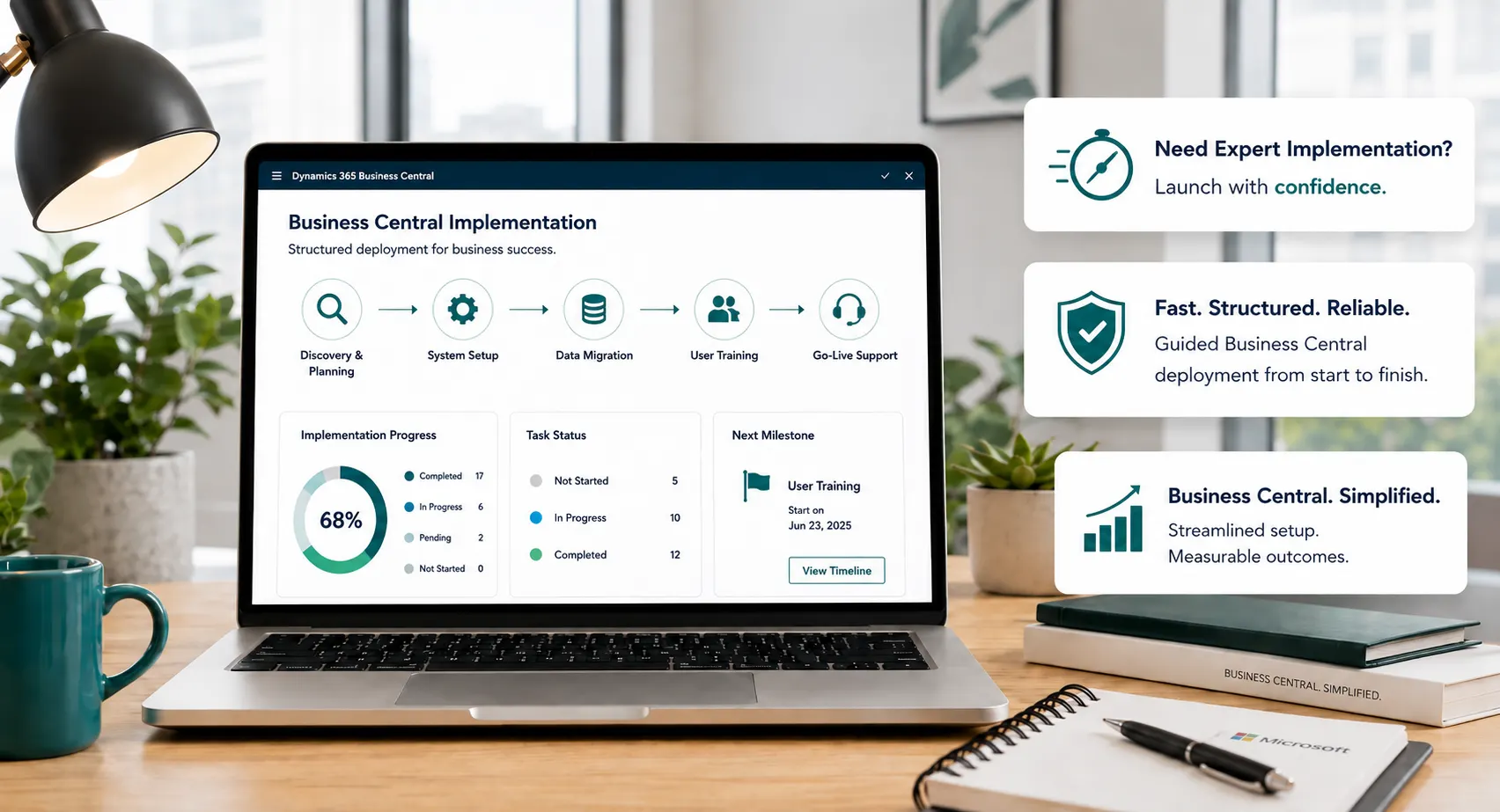
custom software implementation planning and delivery workspace
Discovery-Led DeliveryStart with business processes, roles, data, reporting, controls and future-state requirements.
Built for Broader ScopeSupport customization, integrations, complex migration, phased rollout and long-term optimization.
End-to-End software Delivery

A Complete Software Project, Not Just Coding

A strong custom application starts with the business process, users and data—not with screens to build. Leaforge translates real operational requirements into a practical architecture and delivery plan.

This approach works well for workflow automation, internal applications, business platforms, customer-facing systems, legacy replacement and projects that combine multiple modules or integrations.

  • Process-First Discovery: Understand users, workflows, controls, data and outcomes before development begins.
  • Broader Solution Scope: Combine application modules, integrations, dashboards and automation around agreed business requirements.
  • Controlled Readiness & Launch: Treat data, testing, security, user readiness and deployment as core delivery work.
Discover & DesignBuild & IntegrateValidate & PrepareGo Live & Improve
Discovery and Design

Define the Software Blueprint Before Development Begins

Align the business and project team on users, workflows, scope, data, integrations, reporting, security and delivery responsibilities before coding starts.

Phase 01

Business Discovery & Process Assessment

  • Current systems, workflows and manual pain points
  • User roles, approvals, controls and operating responsibilities
  • Data, reporting, security and integration requirements
  • Success measures and future growth requirements
Phase 02

Solution Architecture & Delivery Roadmap

  • Target application architecture and module design
  • Required APIs, integrations and reporting
  • Data migration, testing and deployment strategy
  • Project phases, decision points and delivery governance
Implementation Methodology

A Controlled Development Process from Discovery to Improvement

Confirm requirements, users, scope, data, integrations and solution decisions before build begins.

Stage 01

Discover & Design

Develop approved modules, APIs, workflows and integrations through controlled iterations.

Stage 02

Build & Integrate

Validate functionality, data, permissions and end-to-end user scenarios before production release.

Stage 03

Validate & Prepare

Deploy the solution, stabilize production use and prioritize practical improvements after launch.

Stage 04

Launch & Improve

Understand business goals, current workflows, users, pain points, data and project constraints.

01

Discovery

Translate approved requirements into modules, data models, permissions, integrations and technical architecture.

02

Solution Design

Create clear user flows and interfaces around the tasks each role needs to perform.

03

UX & Interface Design

Build maintainable application functionality in planned iterations with code review and controlled changes.

04

Development

Design secure APIs and data flows between the application and connected systems.

05

Integration

Clean, map and prepare required data when existing records need to move into the new application.

06

Data Preparation

Test business scenarios, permissions, integrations and data, then complete user acceptance against agreed outcomes.

07

Testing & User Acceptance

Validate access controls, common security risks, performance and production-readiness requirements.

08

Security & Performance Review

Prepare production configuration, deploy approved code and validate critical workflows after release.

09

Deployment & Launch

Use real usage and feedback to improve workflows, reports, automation and user experience after stabilization.

10

Continuous Improvement

Maintain useful technical and user documentation for the solution and key operating processes.

Implementation Scope

Build the Capabilities Required by Your Scope

The right solution may combine business forms, workflows, dashboards, permissions, notifications, reporting, document handling and integrations around the processes included in your project.

custom software customization and integration planning
Tailored Solution

Custom Modules for Requirements Generic Software Cannot Meet

Build tailored functionality only where it creates clear operational value, while keeping the overall application understandable and maintainable.

custom modulesCustom reportsApproval workflowsRole-specific pagesIndustry requirementsUpgrade-aware design
Explore Customization Services
custom software integrations and connected systems
Connected Technology

Connect Your Software with the Systems Your Processes Depend On

Integrate the application with ERP, CRM, payment, ecommerce, messaging, identity or other systems using supported APIs and controlled data flows.

business applicationsanalytics dashboardsPower AutomateDataverseCRM platformsEcommerceBankingPayrollWarehouse systems
Discuss Integration Requirements
Delivery Assurance

Prepare Users, Data and Operations for Launch

Data, testing and user preparation are separate workstreams that come together at launch. Each needs agreed scope, ownership and acceptance criteria.

01

Data Preparation

Prepare and validate the data required by the new application, including mappings, imports and reconciliation where appropriate.

02

Testing & User Acceptance

Test end-to-end scenarios, permissions, integrations and data, then complete user acceptance against agreed business cases.

03

User Readiness

Prepare users and administrators around the actual workflows, responsibilities and support route they will use after launch.

Best-Fit Projects

Who Is Custom Software Development Best For?

Custom development is best suited to requirements where business processes, users, data and integrations materially shape the final solution.

Unique or Cross-Functional Processes

Your process includes rules, exceptions or controls that generic software does not fit well.

Multiple User Roles or Business Units

Different teams, locations or business units need coordinated access, permissions and workflows.

Operational Workflow Automation

Manual spreadsheets, emails or repetitive steps need to become controlled digital workflows.

Significant Integrations

Business-critical systems need reliable data exchange and clear integration ownership.

Legacy System Replacement

An aging application or spreadsheet-based process needs a maintainable modern replacement.

Broader Digital Roadmap

The solution is expected to expand over time with additional modules, integrations or user groups.

A Full Project Is Not Always Necessary

When an MVP or Focused Phase May Be Better

If the requirement can be narrowed to a high-value first release, an MVP or focused phase can validate workflows and value before committing to the broader platform.

Discuss MVP Scope
Scope-Based Planning

Timeline and Investment Are Confirmed After Scope Discovery

Timing and investment depend on the confirmed scope: companies, processes, users, data migration, integrations, reporting, extensions, testing, training, governance, deployment approach and organizational readiness.

Focused Scope

Controlled Standard-Led Delivery

Fewer companies, standard processes, controlled data migration and limited integrations.

Broader Scope

More Workstreams & Coordination

More processes and users, structured migration, reporting and selected extensions or integrations.

Complex or Phased Scope

Multiple Dependencies & Stages

Multiple companies, manufacturing, major integrations, significant migration, process redesign or staged rollout.

Discovery and scope definition are used to build the implementation plan and commercial estimate. The project timeline is therefore based on confirmed requirements rather than a universal week range.

Need a Smaller, Clearly Scoped Implementation?

Compare MVP and phased delivery

If your requirements are standard-first and can fit within a defined package, compare MVP and phased delivery before committing to a full implementation project.

Compare MVP & phased delivery
Connected Cloud software

Why Build Custom Software?

Custom software can align technology directly with your workflows, users, data and integration needs while giving you control over how the solution evolves as the business changes.

Why Leaforge

Why Choose Leaforge for Custom Software Development

Our development approach focuses on the decisions and controls that matter when processes, data, integrations and users must come together in one application.

Process-First Discovery

We start with how the business needs to operate before deciding how custom software should be configured.

Business + Technical Delivery

Process design, configuration, extensions, integrations, data and reporting are handled as connected project workstreams.

Clear Scope & Governance

Scope, assumptions, responsibilities, decision points and delivery stages are defined so expectations are clear.

Testing & Release Control

Migration, reconciliation, UAT, readiness and deployment are treated as core implementation work.

User-Focused Design

Training is aligned to real roles, transactions and business scenarios before users move into production.

Post-Launch Improvement

After stabilization, reporting, workflows, integrations, extensions and process improvements can be prioritized deliberately.

Implementation FAQs

Plan Your Software Project with Clear Expectations

Discovery is used to define the solution scope, project approach, responsibilities, planning assumptions and commercial estimate before the delivery plan is finalized.

How long does a custom software implementation take?

There is no single implementation timeline that fits every project. Timing depends on scope, companies, processes, users, data migration, integrations, extensions, testing, training and business readiness. Leaforge confirms an implementation plan after discovery and scope definition.

How is custom software implementation cost calculated?

Commercial estimates are based on the agreed scope and delivery approach, including consulting, configuration, development, integrations, migration, reporting, testing, training, launch and any confirmed post-launch work.

Should custom software be customized?

Only where there is a clear business requirement that cannot be met appropriately through standard configuration or an existing supported solution. Leaforge evaluates configuration, automation tools, integrations, reporting and upgrade-aware custom modules before recommending custom development.

Can custom software integrate with our existing systems?

Often, yes. The right design depends on the external system, available APIs or integration options, data ownership, security, transaction volume, error handling and the business process the integration needs to support.

Can a custom software implementation be delivered in phases?

Yes. A phased roadmap can prioritize the most important companies and processes first, then add further capabilities, integrations, reporting, automation or additional companies when the business is ready.

What happens after custom software goes live?

The first priority is stabilization: resolve issues, support users and confirm critical processes are working as expected. After that, improvements can be prioritized across reporting, workflows, integrations, extensions, training and process optimization.

Plan the Right software Project

Plan a Custom Software Project with the Right Scope from the Start

Share the process, users, current tools, data, integrations and outcomes you need. We can help turn the requirement into a practical development roadmap.

Discuss Your Software Project